
The teams that perform best play.
The Play Shift is a short, facilitated team experience built around actual play.
Not icebreakers. Not therapy. Not “share something vulnerable while everyone panics.”
Teams step out of work mode, play together, and bring that clarity back into real decisions.
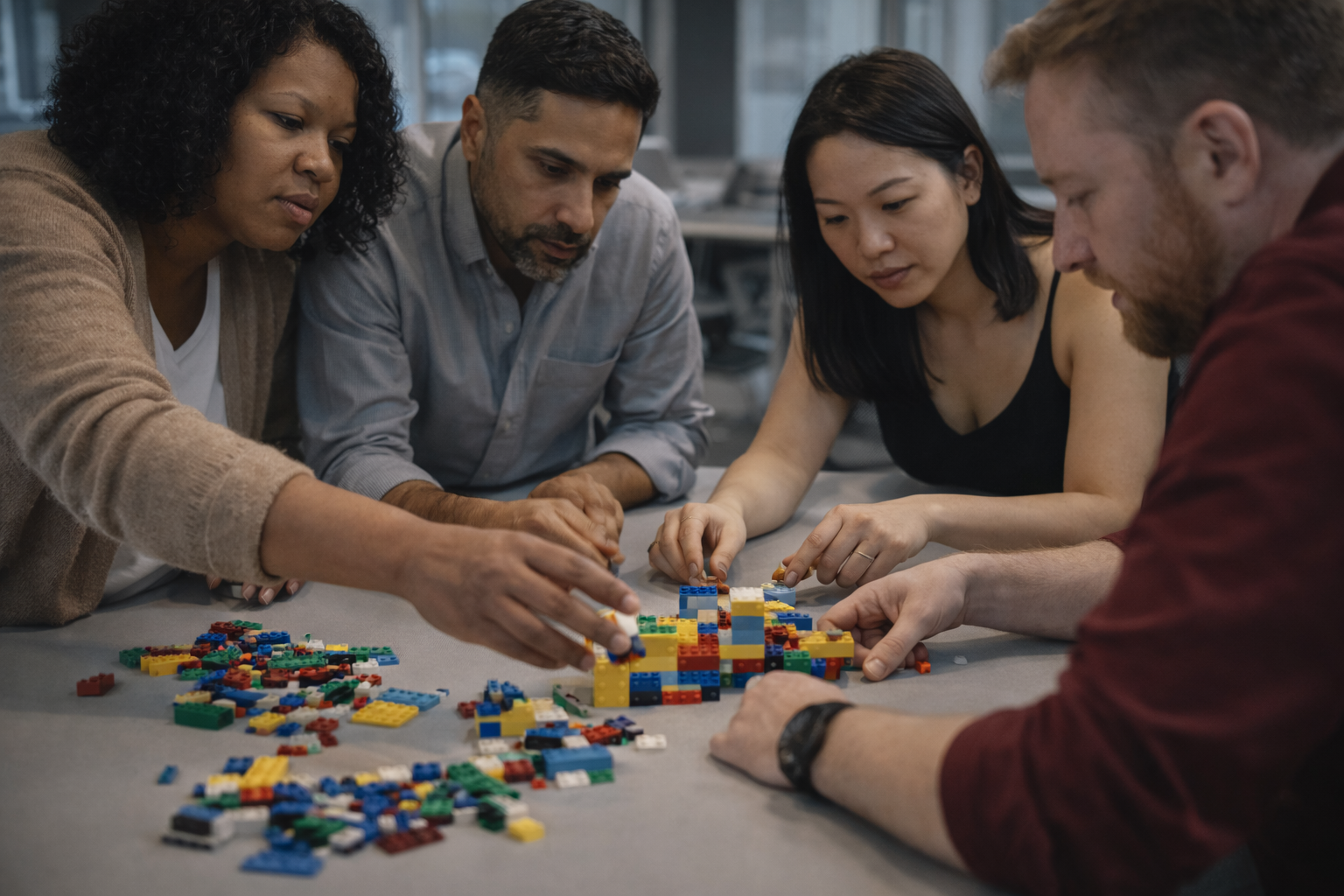
What this is
A facilitated team session built around games and activities
A break from work mode that reveals how teams actually engage
Play used on purpose, not as a reward or a sugar rush
Shared experiences teams can reference when things get tense
What this is not
Therapy
Icebreakers
Trust falls
“Everyone share something personal while Bob studies the carpet”
If you’ve ever left a team session thinking, “That was fine, but nothing will change,” this is different.
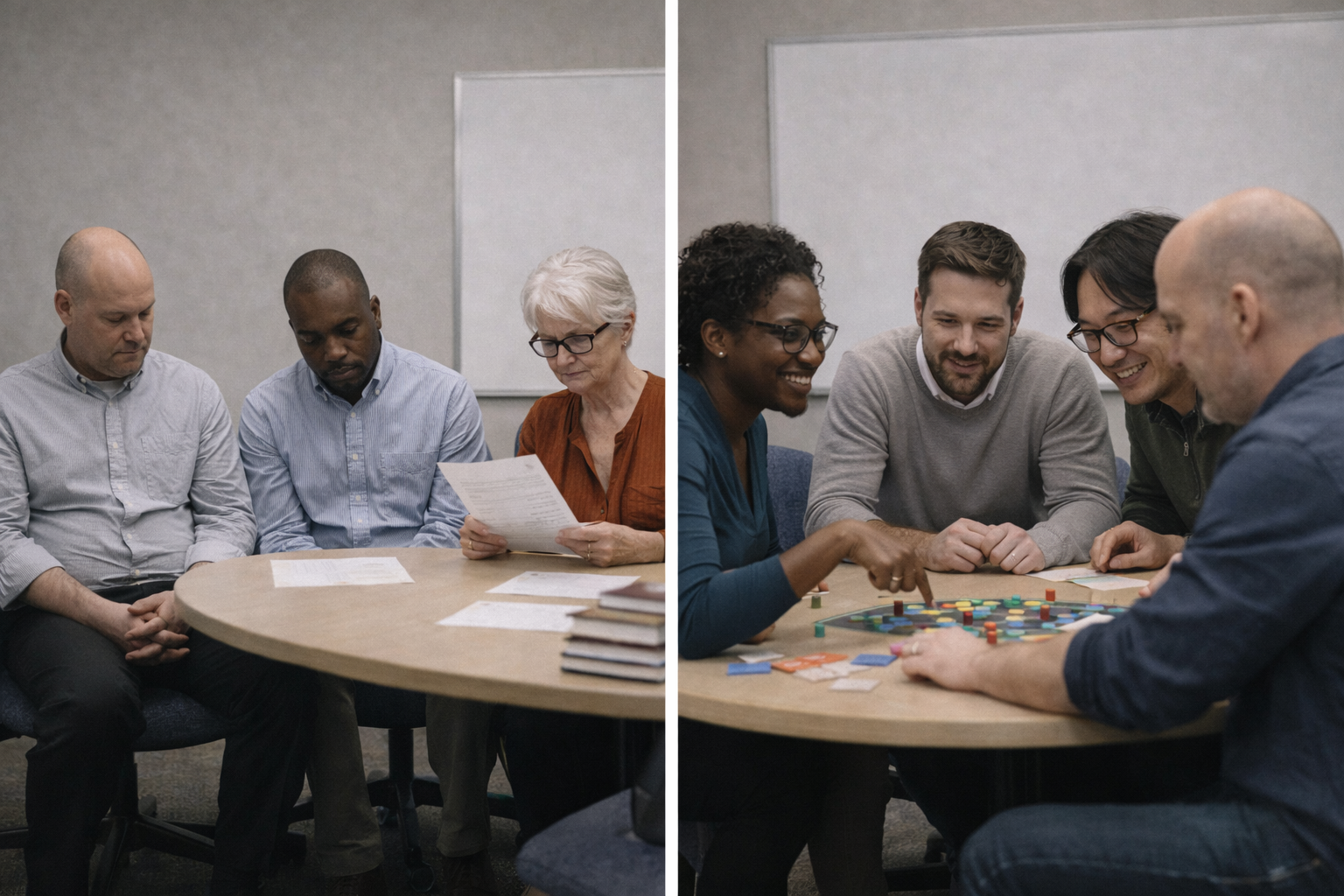
The conditions mirror real work: time pressure, ambiguity, shared responsibility.
Interaction patterns surface naturally.
Teams adjust in real time.
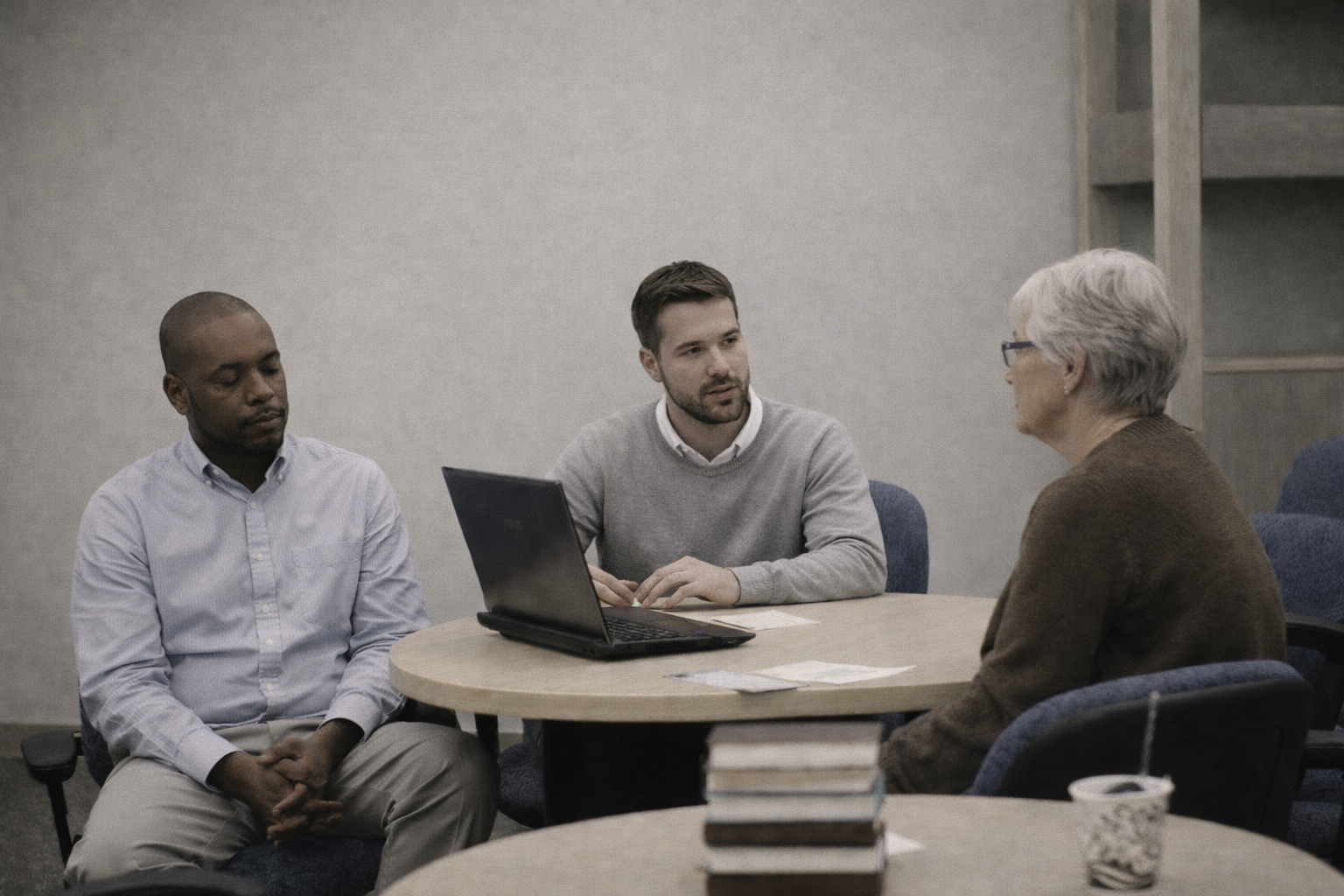
Teams return to work with shared reference points
The engagement ends. The work continues.
Teams return with shared reference points.
What shifts first is not behavior, but permission.
Communication surfaces sooner.
Tension gets addressed earlier.
Play remains available as a tool.

Why I built Play to Perform
I’ve spent years leading teams under pressure, change, and uncertainty. What I kept noticing was this: when teams played together, even briefly, everything got easier. Conversations loosened up. People took smarter risks. Defensiveness dropped.
This is not about making work fun. It just turns out that play makes people better at it.
It is a practical way to change the conditions people are operating under. Instead of forcing vulnerability or relying on discussion prompts, play shifts how risk, participation, and responsibility show up in real time. That shift changes performance.
Play to Perform exists to make that shift usable. It is a short, focused engagement that reveals real team dynamics and gives people concrete ways to work differently in daily meetings, planning, and moments of tension.
It is designed to be experienced, not explained.
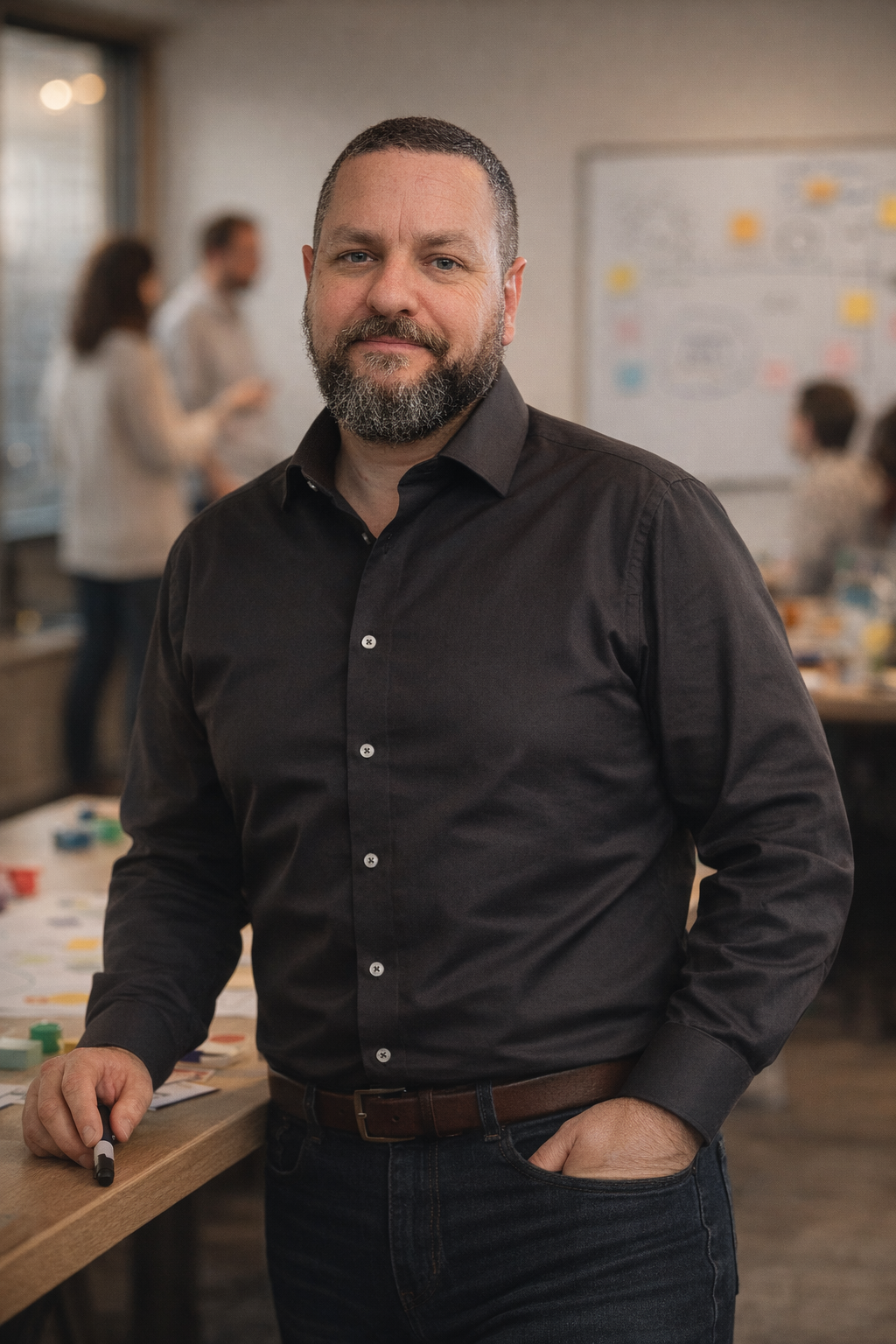
Play changes how people learn, relate, and adapt at work
When people play together, patterns show up fast.
Who jumps in. Who waits. Who takes over. Who hangs back.
Because the stakes feel lower, people take real risks. Feedback becomes visible. Interaction becomes tangible.
When play is used deliberately, it changes the conditions teams operate under:
The perceived cost of interpersonal risk drops
Learning accelerates through direct action
Social connection strengthens through shared experience
Creativity and flexible thinking expand under constraint
Thinking, emotion, and behavior align in the moment
Capacity grows instead of compliance
This is not about entertainment. It is about changing how risk, participation, and responsibility show up in real time.

What gets in the way of performance
Most performance issues don’t start with strategy. They show up in everyday interaction.
Most teams do not have a motivation problem. They have an interaction problem.
People play it safe
Disagreement softens. Feedback delays. Silence looks like alignment.
Tension stacks up quietly
Friction is ignored to keep momentum, and nothing fully resolves.
A few people carry the load for everyone
Compensation replaces collaboration.
Leaders get pulled into firefighting mode
Energy goes to managing reactions instead of building direction.
This is probably not for you if
You want a guaranteed outcome and a tidy checklist
You believe adults should have outgrown play
You want people to “just be more professional” without changing anything else
If that last one made you smile, we should probably talk.
Apply for the Play Shift pilot
This pilot is for teams willing to try something practical and a little unusual. You will not be asked to overshare. You will be asked to play.
Not every team is a fit.
*I review pilot applications personally. Selected teams will be invited to a short follow-up conversation.